7 Best Greenhouses for Winter (November 2026)
The best winter greenhouses include the Sylviera 6x4 Greenhouse with Hygrometer for compact winter gardens, the Jocisland 6x12 Walk-In Polycarbonate Greenhouse for larger plant collections, and the Sylviera 6x6 Walk-In Greenhouse with Hygrometer for mixed pot collections.
On this page (9 sections)
- How we chose the best greenhouse for winter
- Compare the best greenhouses for winter
- Which winter greenhouse fits your garden?
- What should you check before buying a winter greenhouse?
- How should you set up a greenhouse before winter?
- How can you keep a greenhouse warm in winter?
- What winter care keeps plants and the structure in better shape?
- Which winter greenhouse mistakes should you avoid?
- Which is the best greenhouse for winter for you?
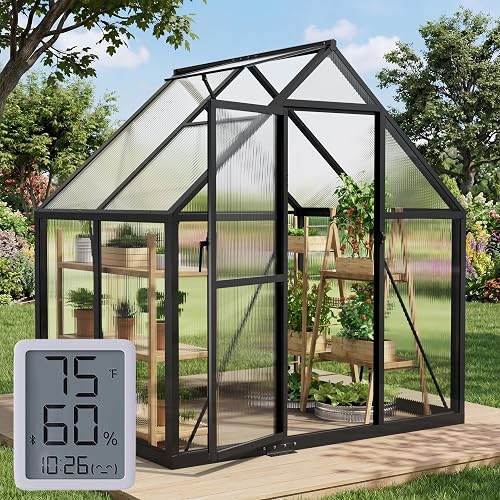
The Sylviera 6x4 Greenhouse with Hygrometer is the best greenhouse for winter for a compact garden. Its double-wall panels and adjustable roof vents suit a modest plant collection, while the Jocisland 6x12 makes more sense for gardeners who need longer growing rows.
Choose around your coldest nights and the plants you want to keep. An unheated greenhouse can shelter hardy crops, but tender plants may need reliable supplemental heat.
For background, read whether greenhouses work in winter and our guide to heating a greenhouse in winter. If you're still weighing structure types, best greenhouse kits covers more general options.
Our picks at a glance
-
1
 Best for compact winter gardens
Sylviera 6x4 Greenhouse with Hygrometer
8.1/10 our score
See it on Amazon -
2
 Best for larger plant collections
Jocisland 6x12 Walk-In Polycarbonate Greenhouse
7.4/10 our score
See it on Amazon -
3
 Best for mixed pot collections
Sylviera 6x6 Walk-In Greenhouse with Hygrometer
7.2/10 our score
See it on Amazon
- 4
 Check it
Garvee 6x10 Aluminum Polycarbonate Greenhouse
Best for rainwater collection plans - 5
 Check it
HOOYEAH 6x8 Polycarbonate Greenhouse
Best for sheltered backyard gardens - 6
 Check it
Outsunny 6x4 Walk-In Polycarbonate Greenhouse
Best for tight entrance spaces - 7
 Check it
Kingdura 6x12 Polycarbonate Greenhouse
Best for long growing rows
How we chose the best greenhouse for winter
We compared panel construction, usable space, ventilation and installation needs to find practical matches for winter gardeners. The scores reflect those features and each model's fit for cold-season use.
A small greenhouse can be the better choice when you have a few plants and limited space. A longer model earns its footprint when you need separate growing areas and can manage the larger enclosure.
We also considered placement restrictions and assembly details. Broad promises about wind or snow carry less weight than clear guidance about anchoring, shelter and panel construction.
None of these structures supplies heat by itself. Choose a greenhouse and a temperature plan together, especially if losing power during a cold night would put tender plants at risk.
Compare the best greenhouses for winter
Start with the space you can use and the panel construction, then compare access and vents. Nominal dimensions can differ from the actual base measurements, so mark the footprint on the ground before ordering.
| Product | Best for | Dimensions | Panels | Frame | Our score |
|---|---|---|---|---|---|
| Sylviera 6x4 Greenhouse with Hygrometer | compact winter gardens | 45 x 67 x 77 in | 4 mm double-wall polycarbonate | Aluminum | 8.1 |
| Jocisland 6x12 Walk-In Polycarbonate Greenhouse | larger plant collections | 4 mm polycarbonate | 7.4 | ||
| Sylviera 6x6 Walk-In Greenhouse with Hygrometer | mixed pot collections | 73 x 71 x 77 in | 4 mm double-wall polycarbonate | Aluminum | 7.2 |
| Garvee 6x10 Aluminum Polycarbonate Greenhouse | rainwater collection plans | 720 g/m² polycarbonate | Aluminum | 6.9 | |
| HOOYEAH 6x8 Polycarbonate Greenhouse | sheltered backyard gardens | 70.87 x 95.55 x 76.9 in | Semi-translucent polycarbonate | Aluminum | 6.7 |
| Outsunny 6x4 Walk-In Polycarbonate Greenhouse | tight entrance spaces | 74.75 x 52 x 79.25 in | Polycarbonate | 6.6 | |
| Kingdura 6x12 Polycarbonate Greenhouse | long growing rows | 140.16 x 70.87 x 80.25 in | 4.6 mm twin-wall polycarbonate | 6.5 |
Which winter greenhouse fits your garden?
Choose the smallest model that comfortably holds your plants and a working aisle. Extra space helps only if you can reach, ventilate and maintain it throughout winter.
Sylviera 6x4 Greenhouse with Hygrometer: Best for compact winter gardens
- Nominal 6 x 4 ft size
- 4 mm double-wall polycarbonate panels
- Aluminum frame
- Adjustable roof vents and lockable door
A compact choice for sheltering a modest collection of pots without taking over the yard. Plan a clear aisle before filling the floor with plants.
Pros
- Small base fits limited yard space
- Double-wall panels
- Adjustable roof vents
Cons
- Limited room for large pots and a working aisle
- Panel-gap sealing requires attention during setup
The Sylviera 6x4 suits gardeners sheltering a few containers or trays rather than building a large growing room. Its 45 x 67 in base makes it the most compact choice here.
The 4 mm double-wall polycarbonate panels have an air space between layers, while adjustable roof vents let you release daytime heat. A lockable door helps keep access controlled.
Plan the interior before choosing this size. Deep shelves on both sides could leave an awkward aisle, so a shallow shelf on one side and larger pots opposite may work better.
Choose it if you can tend most plants from the doorway or a short central path. Skip it if you need to bring several large shrubs inside or work with wide trays at a bench.
Sylviera suggests glass glue in panel gaps for added strength. Follow its directions for placement, and keep drainage routes clear rather than sealing every opening.
The hygrometer can help you watch humidity, but humidity is not a frost reading. Track overnight minimum temperatures separately when deciding which plants can remain inside.
Jocisland 6x12 Walk-In Polycarbonate Greenhouse: Best for larger plant collections
- 6 x 12 ft size
- 4 mm polycarbonate panels
- Side pull braces
- Two adjustable roof vents
The long layout suits gardeners who need separate areas for pots, trays and supplies. Allow for the extra space that may need heating overnight.
Pros
- Long layout for organizing plants
- Two adjustable roof vents
- Ground stakes and bolts included
Cons
- Needs a long prepared site
- Assembly estimate assumes 2 people
The Jocisland 6x12 is a better fit for a larger plant collection that needs clear zones. You could separate seedlings from established pots without making every watering trip a rearranging job.
Its 2 adjustable roof vents offer airflow options along the growing area. Keep tall plants and storage away from the vent controls so you can reach them on sunny winter days.
Side pull braces, ground stakes and bolts are included. Match the fastening method to your prepared surface, since soil and concrete need different installation steps.
Jocisland estimates assembly at 2 to 3 hours for 2 people using quick-connect joints. Treat base preparation, unpacking and final checks as separate jobs when setting your schedule.
Buy it if you have a long, sunny site and enough plants to use the room. Skip it if most of the enclosure would sit empty while you pay to keep a few tender pots warm.
The swing door also needs a clear approach. For other layouts, compare the best walk-in greenhouses.
Sylviera 6x6 Walk-In Greenhouse with Hygrometer: Best for mixed pot collections
- Nominal 6 x 6 ft size
- 4 mm double-wall polycarbonate panels
- Reinforced aluminum frame
- Adjustable roof vent and lockable door
A nearly square option for gardeners arranging pots of different sizes around a central working space. It offers more floor area than the smaller Sylviera.
Pros
- Nearly square footprint
- Double-wall panels
- Lockable door
Cons
- Only 1 roof vent
- Silicone for optional panel-gap sealing is not included
The Sylviera 6x6 suits a mixed collection of pots that would crowd the smaller Sylviera. Its 73 x 71 in base offers a nearly square layout rather than a long corridor.
That shape gives you more freedom to group plants by height or watering needs. Leave a turning space near the door so carrying a watering can doesn't mean brushing against leaves.
It combines 4 mm double-wall panels with a reinforced aluminum frame and strengthened corners. The adjustable roof vent provides an outlet for warm, damp air.
Choose this model when you need room to move around plants but cannot fit a longer greenhouse. Skip it if your plan depends on long benches or separated growing rows.
There is 1 roof vent, so avoid packing the roof area with tall foliage that blocks airflow. Check temperatures near both the door and the back before settling on a winter layout.
Sylviera suggests optional silicone sealing, with silicone bought separately. Read how to keep a greenhouse warm before deciding which heat-loss problems need attention.
Garvee 6x10 Aluminum Polycarbonate Greenhouse: Best for rainwater collection plans
- 6 x 10 ft size
- 720 g/m² polycarbonate panels
- Aluminum frame
- Side water gutters
A longer growing space with side gutters for gardeners planning drainage or rainwater collection. Arrange runoff before placing beds or paths beside the structure.
Pros
- Room for longer plant rows
- Side gutters aid drainage
- Adjustable top vent
Cons
- Both shipping boxes are needed before assembly
- Panel weight does not identify panel thickness
The Garvee 6x10 is worth considering when you want a longer growing area and a planned route for roof runoff. Its side gutters can help direct water away from working paths.
Decide where that water will go before building. A gutter outlet beside the entrance can leave a wet approach, and standing water may freeze during cold weather.
The polycarbonate panels have a stated weight of 720 g/m². That figure describes material weight per area, not panel thickness or the greenhouse's insulation value.
Choose Garvee if its layout fits your plant rows and the gutters serve a clear purpose. Skip it if you need a known panel thickness to compare winter insulation options.
It ships in 2 separate boxes, so wait for both and check the parts before starting. Garvee recommends grouping matching parts and following the assembly sequence.
Keep the adjustable top vent accessible after installing shelves. Rainwater collected during freezing weather also needs a plan, since pipes, containers and outlets can become blocked by ice.
HOOYEAH 6x8 Polycarbonate Greenhouse: Best for sheltered backyard gardens
- Nominal 6 x 8 ft size
- Semi-translucent milky white panels
- Aluminum frame
- Adjustable roof vent and lockable door
A walk-in option with milky panels that spread sunlight through the growing area. Choose it only where partial wind protection is available.
Pros
- Light-diffusing panels
- Walk-in access
- Lockable door
Cons
- Unsuitable for fully exposed windy sites
- Only 1 roof vent
The HOOYEAH 6x8 suits a partly sheltered backyard where you prefer light spread through the growing space. Its milky white panels diffuse sunlight rather than giving clear views through the walls.
That panel style changes how the greenhouse looks from inside and outside. Skip it if seeing clearly through the walls matters to you.
HOOYEAH recommends partial wind protection near features such as fences, walls or shrubs. It specifically advises against fully exposed sites with strong winds, making location the first buying decision.
Check that a windbreak won't shade the greenhouse through much of the winter day. A sheltered corner can still be a poor growing spot if low sunlight never reaches it.
Choose this model if you have suitable shelter and room for a middle-size walk-in structure. Install the reinforcement bar as directed, rather than leaving it aside to simplify assembly.
The adjustable roof vent and lockable door support daily care. For a different panel style, compare polycarbonate and glass greenhouses.
Outsunny 6x4 Walk-In Polycarbonate Greenhouse: Best for tight entrance spaces
- Nominal 6 x 4 ft size
- Polycarbonate panels
- Powder-coated aluminum frame
- Sliding door and rooftop vent
The sliding entrance suits spaces where a swinging door would crowd the approach. Outsunny recommends a wind-sheltered wall location and secure ground bolts.
Pros
- No door-swing clearance needed
- Ground bolts and diagonal braces
- Rain gutters
Cons
- Needs a wind-sheltered location
- Sliding track needs to stay clear
The Outsunny 6x4 suits a tight approach where a swinging door would block a path or nearby planting area. Its sliding door opens without needing that extra arc of space.
The actual base measures 74.75 x 52 in, so don't assume it fits the same spot as the smaller Sylviera. Mark the entrance as well as the walls when planning your layout.
Its powder-coated aluminum frame includes a galvanized steel base, ground bolts and diagonal braces. These parts need correct assembly and anchoring before plants move inside.
Outsunny recommends placement against an out-of-wind wall. Choose it if your garden can meet that guidance while still giving the plants useful winter light.
Skip it for an exposed position or if you cannot keep the entrance track clear. Soil, fallen leaves and ice can interfere with a sliding door just when you need quick access.
Rain gutters and a roof vent add useful control over runoff and indoor air. Leave enough room beside the greenhouse to inspect those areas without stepping into crowded beds.
Kingdura 6x12 Polycarbonate Greenhouse: Best for long growing rows
- Nominal 6 x 12 ft size
- 4.6 mm twin-wall polycarbonate panels
- Aluminum frame
- Two adjustable skylights
A long walk-in option for gardeners prioritizing twin-wall panels and row-based layouts. Check the installation requirements before relying on its weather-resistance claims.
Pros
- Long layout
- Twin-wall panels
- Two adjustable skylights
Cons
- Large site requirement
- Panel thickness alone cannot determine winter performance
The Kingdura 6x12 suits gardeners who want a long layout and 4.6 mm twin-wall panels. It offers space for rows of containers or benches with a central aisle.
Its 2 adjustable skylights and sliding door give you ways to change airflow. Keep the controls reachable and leave the door area free of pots that could obstruct a quick opening.
Kingdura claims wind resistance up to 50 mph and a snow load of 160 lb per square meter. Ask Kingdura which installation and anchoring conditions apply to those figures before relying on them.
Those claims should not replace local weather planning. Snow can collect unevenly, and a sheltered garden presents different conditions from an open, gusty site.
Choose it when the long footprint fits your plan and twin-wall construction is a priority. Skip it if panel thickness is your only reason for buying a larger structure.
Compare it with Jocisland on usable layout, installation needs and access. A small thickness difference cannot tell you which complete greenhouse will hold the temperature your plants need.
What should you check before buying a winter greenhouse?
Start with plant temperature needs, winter sunlight and site exposure. Once those fit, choose a size and panel design you can maintain through the coldest part of the year.
Match the best winter greenhouse to your plants
Decide whether you want frost shelter, winter harvests or warm conditions for tender plants. Those goals require different levels of heat and daily attention.
Hardy leafy crops may suit a cool growing space, while tender tropical plants need warmer nights. Group plants by their minimum temperature needs instead of heating every pot to the same target.
Winter growth also depends on light. Warm air cannot make up for a heavily shaded site or very short days, so separate keeping plants alive from expecting fast growth.
Measure usable space, not just the footprint
Plan shelves, mature foliage and a clear aisle before choosing a greenhouse. Pots that fit neatly in autumn may become harder to reach as leaves spread.
Mark the proposed base with string, then place empty pots or boxes inside the outline. Walk through carrying the widest tray or watering can you expect to use.
Leave space outside for assembly, panel care and access to fasteners. If you plan to use a heater, reserve its required clearances before assigning every corner to plants.
Compare panel construction without chasing one number
Twin-wall polycarbonate traps air between layers, which helps slow heat transfer. Whole-greenhouse performance also depends on gaps, doors, roof joints and installation quality.
Panel thickness, panel weight and light diffusion describe different things. A weight in grams per square meter cannot be read as an insulation value or compared directly with millimeters.
Read whether polycarbonate is good for greenhouses for the material basics. Our guide to polycarbonate panel thickness explains what thickness can and cannot tell you.
Check winter sun and wind together
Choose a site with useful winter sun and some wind protection. Watch where shadows fall when the sun is low, including shadows from buildings and evergreen plants.
Avoid placing the greenhouse where snow or ice can slide from another roof onto it. Also check whether runoff collects there after rain or snowmelt.
A sheltered location still needs a suitable anchored base. Our greenhouse safety guide for wind, snow and heat covers site and weather planning.
Keep ventilation in the winter plan
Vents matter even on cold days because sunlight can heat a closed greenhouse quickly. Damp air also needs a way out when condensation builds.
Open vents according to measured conditions, then close them before temperatures fall. Avoid a fixed routine that ignores a cloudy morning, a sunny afternoon or a sudden weather change.
More openings give you options, but vent placement and access matter too. Our greenhouse ventilation guide explains how doors, roof vents and air movement work together.
How should you set up a greenhouse before winter?
Build on a level, well-drained base and finish anchoring before moving plants inside. A rushed installation becomes harder to correct once shelves, pots and heating equipment fill the space.
Prepare the site before opening the kit
Decide how the base will stay level and how water will drain away. Follow the greenhouse instructions for foundation size, fixing points and suitable ground conditions.
Check that the door can open fully and that you can reach the vents. Plan a firm approach so winter watering trips don't require walking through mud or ice.
Assemble in calm weather with help
Sort parts, read the assembly order and keep panels secured while working. Large lightweight panels can be difficult to control in wind.
Check that the frame is square before fully tightening connections, as directed by the manual. Misalignment can make doors bind and panels fit poorly.
Install every required brace and reinforcement. If sealing is recommended, use the specified material and preserve drainage openings.
Set up monitoring before the first cold night
Place a minimum-temperature thermometer at plant height, away from direct sun and a heater's airflow. A warm reading near the roof may hide colder conditions around pots.
Watch the empty greenhouse through a day and night before moving vulnerable plants inside. Use those readings to set ventilation habits and decide whether heating is needed.
How can you keep a greenhouse warm in winter?
Control drafts, monitor overnight lows and add suitable heat when needed. Insulating panels slow heat loss, but an unheated enclosure can still freeze.
Use your plants' minimum temperature needs as the target. Heating for survival usually requires a different plan from maintaining conditions for active growth.
Check door closure, loose panels and unwanted gaps first. Seal only where the greenhouse instructions allow, since blocked drainage can create moisture problems.
Thermal mass, such as water containers, can store some daytime warmth, but it takes up growing space. It cannot replace reliable heat for vulnerable plants during prolonged freezing weather.
Use an inner cover over suitable crops if you need a smaller protected area. Keep fabric clear of heaters and remove or open covers when plants need light and airflow.
Read our guide to how to heat a greenhouse in winter for heating choices and safety considerations. Follow the heater's moisture, clearance, electrical and ventilation requirements.
What winter care keeps plants and the structure in better shape?
Water to the plants' needs and inspect the structure regularly, especially before and after rough weather. A greenhouse needs attention even when winter growth slows.
Check the potting mix before watering rather than following a summer schedule. Water earlier in the day when possible so wet surfaces have time to dry before evening.
Keep plants spaced so leaves don't form a solid wall against the panels. Remove dead leaves and spent growth promptly, and watch for pests on plants brought in from outdoors.
Clear debris from gutters, vents and sliding tracks. Clean panels with materials approved by the brand so dirt doesn't cut already limited winter light.
Inspect anchors, braces and panel edges for movement. Follow the manual's snow-removal instructions, work from a safe position and never climb onto the roof.
Keep the path to the entrance usable during cold spells. You need access for watering, ventilation and heater checks even when the rest of the garden is dormant.
Which winter greenhouse mistakes should you avoid?
The biggest mistakes are assuming frost protection, overcrowding plants and ignoring sunny-day heat. Each can undermine an otherwise suitable greenhouse.
- Buying for the yard alone: Size the interior around mature plants, access and any heater clearances.
- Choosing an exposed site for convenience: Follow shelter guidance before considering door style or appearance.
- Keeping every vent closed: Warm, damp daytime air can cause problems even during cold weather.
- Treating thick panels as a heating system: Monitor minimum temperatures before trusting the enclosure with tender plants.
- Filling the aisle with spare pots: Leave a clear route to the back, vents and equipment.
- Adding water to already wet soil: Slow winter growth often means pots dry more slowly.
- Waiting for snow to check the manual: Learn the brand's weather and snow-management instructions before a storm.
Which is the best greenhouse for winter for you?
The best greenhouse for winter is the one that fits your plants, your site and your cold-night plan. Choose the Sylviera 6x4 for a small collection, or the Sylviera 6x6 when mixed pots need more working room.
Pick Jocisland for a larger collection arranged along a long aisle. Consider Garvee when its gutters fit your drainage plan, or Kingdura when you want a long layout with twin-wall panels.
HOOYEAH suits a partly sheltered site and a preference for diffused light. Outsunny makes sense where a sliding entrance solves a tight approach, provided you can meet its sheltered-location guidance.
Before ordering, draw the layout and identify which plants need supplemental heat. Use our greenhouse size guide to check that growing room and working space fit together.
Our top 3 picks at a glance
-
1
Best for compact winter gardens
Sylviera 6x4 Greenhouse with Hygrometer
8.1/10 our score
See it on Amazon -
2
Best for larger plant collections
Jocisland 6x12 Walk-In Polycarbonate Greenhouse
7.4/10 our score
See it on Amazon -
3
Best for mixed pot collections
Sylviera 6x6 Walk-In Greenhouse with Hygrometer
7.2/10 our score
See it on Amazon
Frequently asked questions
What type of greenhouse is best for winter?
A securely anchored greenhouse with double-wall polycarbonate panels is a practical winter choice. Choose its size around your plants and working aisle, then match any heating to their minimum temperature needs.
Adjustable vents still matter because winter sun can warm the interior while trapped moisture encourages condensation.
Can a greenhouse stay warm without a heater?
A greenhouse can gain warmth from sunlight, but it may fall close to outdoor temperatures overnight. Insulating panels and draft control slow heat loss without guaranteeing frost protection.
Use a minimum-temperature thermometer at plant height to decide whether the space stays warm enough for the plants you want to keep.
Are polycarbonate greenhouses good for winter?
Polycarbonate can suit winter gardening, especially when twin-wall panels trap air between their layers. The whole structure still matters, including panel fit, anchoring, door seals and roof design.
Choose around local weather and plant needs rather than assuming a thicker panel makes a greenhouse suitable for every winter.
What size greenhouse works best in winter?
The best size holds your winter plant collection while leaving a clear aisle and safe heater clearances if needed. A small structure can suit a few pots, while longer models allow separate growing zones.
Measure mature plants and actual base dimensions, then leave room outside for maintenance and snow management.
Do I need to anchor a greenhouse for winter?
Yes, secure the greenhouse to a suitable base using the brand's installation instructions. Included stakes or bolts must still match the ground or foundation where you build.
Use a sheltered site where possible, inspect connections before storms, and follow the manual's snow-removal guidance without climbing onto the roof.