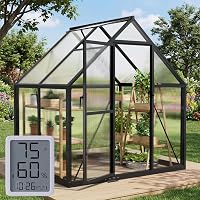
Do Greenhouses Work in Winter?
Yes, a greenhouse in winter can shelter cold-tolerant plants and extend the growing season. Keeping tender plants warm through freezing nights requires enough insulation and heat to meet their needs.
On this page (7 sections)
- Does a greenhouse stay warm in winter?
- What can you grow in a greenhouse in winter?
- How do you keep a winter greenhouse warmer?
- Does the greenhouse cover matter in winter?
- How should you set up and care for a winter greenhouse?
- Which winter greenhouse mistakes cause the most trouble?
- How do you decide if a greenhouse will work for you in winter?
A greenhouse in winter can shelter hardy plants and extend the growing season, but tender crops need added heat when temperatures fall below their limits. Start with what you want to grow, then choose a structure and heating plan that can support it.
Wind protection, frost protection, and active winter growth are different goals. Keeping dormant containers sheltered takes less warmth and light than raising tomatoes or starting seedlings.
Does a greenhouse stay warm in winter?
A greenhouse can be warmer than outside during sunny hours, then fall close to outdoor temperatures overnight. Its cover admits sunlight but cannot create replacement heat after sunset.
Warm soil and other materials release some stored heat as the air cools. That buffer is limited, especially after several cloudy days.
Put a minimum-maximum thermometer near your plants, away from direct sun and heater airflow. Check the lowest reading after a cold night, rather than judging conditions during an afternoon visit.
In a walk-in structure, compare readings near the door and at the far end. A warm spot beside a heater can hide a cold corner where plants still freeze.
What can you grow in a greenhouse in winter?
Match crops to the coldest temperature you can maintain, then account for short winter days. Survival and steady harvests require different conditions.
Cold-tolerant leafy greens, such as spinach and kale, are better starting points for an unheated space than tomatoes, peppers, or cucumbers. Their tolerance still varies by variety, growth stage, and how gradually they have adjusted to cold.
For winter harvests, establish suitable crops before daylight becomes scarce. Starting seeds in the darkest part of winter can mean slow growth even when the air is warm enough.
Dormant container plants need a different plan from actively growing vegetables. Check their root hardiness, since roots in exposed pots have less protection than roots in garden soil.
The University of Minnesota Extension’s guide to extending the growing season explains season-extension methods and crop planning. Use local crop guidance alongside the temperatures you record inside.
How do you keep a winter greenhouse warmer?
Reduce drafts and the size of the area you heat before adding more heating equipment. Uncontrolled gaps waste warmth, while planned ventilation lets you release heat and moisture when needed.
Check door edges, panel joints, and damaged cover sections. Repair them with materials suited to the structure, while keeping doors and vents usable.
A smaller inner enclosure or row cover can protect a group of hardy plants without warming the whole greenhouse. Leave room around foliage and check temperatures inside that protected area.
An insulated north wall may reduce heat loss, but avoid shading the plants' main source of winter sunlight. Added layers also need secure supports and enough clearance from heaters.
Water containers can store daytime warmth and release some of it later. They take up growing space and cannot replace reliable heat for tender crops during a long freeze.
For a lightweight structure, read whether a pop-up greenhouse works in winter before leaving it exposed through cold or windy weather.
When does a heater make sense for a greenhouse in winter?
A heater makes sense when measured overnight lows fall below your plants’ needs. Choose capacity for the temperature gap between outdoors and your target, along with the structure’s size, cover, and air leaks.
Floor area alone cannot tell you how much heat you need. A sheltered greenhouse in a mild climate presents a different job from the same structure during a hard freeze.
Set the thermostat for the plants' minimum suitable conditions. Trying to keep a greenhouse as warm as a living room can add needless electricity use.
Who should choose the VEVOR heater?
The VEVOR suits a dry, sheltered setup where you want thermostat control and can keep the heater away from watering. It has an independent thermostat, 3 speed settings, and overheat protection.
Its indoor-use designation and IP20 protection make moisture exposure a key buying limit. IP20 provides no water protection, so skip it where spray, drips, or wet floors cannot be avoided.
Keep the intake and outlet clear of pots, covers, and foliage. Position the thermostat sensor according to its instructions, then use a separate thermometer to check conditions at plant height.
This is a fit for gardeners who can provide a suitable dry location and electrical supply. Choose another approach if your greenhouse cannot meet its operating requirements.
Who should choose the Tonree heater?
The Tonree suits gardeners who want digital temperature control and a lower heat setting for milder conditions. It offers 20W fan-only, 750W heating, and 1,500W heating modes.
Tonree claims coverage up to 120 sq ft, IPX5 water resistance, and dual overheat shut-off. Treat the coverage figure as a starting point: severe cold and heat loss can demand more output than floor area suggests.
Its independent digital thermostat cycles the heater on and off. Water resistance still requires you to follow the instructions for placement and keep electrical connections protected.
Skip this option if your heat-loss estimate exceeds its output or you lack a suitable power supply. The lower setting gives you flexibility, but it will not maintain the same temperature in every winter climate.
See how to heat a greenhouse in winter for heating plans and how to keep a greenhouse warm for further ways to reduce heat loss.
Does the greenhouse cover matter in winter?
The cover affects both heat retention and light, so choose it alongside the frame, base, and ventilation. A useful winter structure must fit your climate as well as your available space.
Panel thickness is only part of that choice. Door fit, panel fastening, and exposed gaps also affect how the finished greenhouse behaves.
The Jocisland suits gardeners who need a walk-in growing area with rigid panels and have room for a permanent setup.
Lay out benches, pots, and a clear aisle before choosing the site. Leave access to the door and vent controls, plus safe clearance for any heating equipment.
Jocisland includes ground stakes and bolts for setup on soil or concrete. Follow the base and anchoring instructions for your surface, and confirm wind and snow limits before choosing it for an exposed location.
Skip this structure if you only need to shelter a few small pots or cannot prepare a level, secure base. Its roof vents help release warm air, but the enclosure still needs a separate plan for freezing nights.
Compare whether polycarbonate is good for greenhouses and what thickness of polycarbonate suits a greenhouse before choosing your cover.
How should you set up and care for a winter greenhouse?
Prepare the structure before cold weather, then keep checking temperature, moisture, and access. A heater cannot make up for loose panels or a door that will not close.
- Choose winter sun. Check shadows from buildings and trees when the sun sits low.
- Prepare the base. Keep the structure level and follow its anchoring instructions.
- Plan power before planting. Use a suitable outlet and required ground-fault protection, with cords clear of water and walkways.
- Arrange plants by need. Keep foliage off cold panels and leave space for airflow.
- Watch the forecast. Have somewhere suitable to move vulnerable plants if heat or power fails.
Water according to soil moisture rather than a fixed summer schedule. Plants often use water more slowly in winter, and watering earlier in the day gives wet surfaces time to dry.
Clean the cover when dirt reduces light, using a method suitable for its material. Check fasteners, door movement, and panel edges after rough weather.
Which winter greenhouse mistakes cause the most trouble?
Relying on daytime warmth and sealing out all fresh air are 2 common mistakes. Winter care needs both heat retention and controlled ventilation.
A sunny day can overheat a closed greenhouse even when the outside air feels cold. Open vents as needed, then close them before evening temperatures drop.
Persistent condensation calls for attention to watering, plant spacing, and airflow. A heater’s fan moves air, but removing moisture usually requires air exchange; our greenhouse ventilation guide explains the options.
Do not place a thermostat sensor directly in warm discharge air. It may shut the heater off before the rest of the growing area reaches the target temperature.
Avoid crowding extra plants into heater clearances or against the cover. Keep access open so you can inspect plants and respond quickly during cold weather.
How do you decide if a greenhouse will work for you in winter?
Choose an unheated greenhouse for suitable hardy crops, and plan controlled heat for plants that need warmer nights. Base the decision on your coldest readings and your willingness to manage the space through winter.
Pick the VEVOR if you can meet its dry indoor-use requirements. Pick the Tonree if digital control and a lower heat setting suit your heating plan.
Choose the Jocisland when you need a walk-in enclosure and can prepare and anchor its base. Compare greenhouse kits for backyards and the best greenhouses for winter if you are still choosing a structure.
A greenhouse in winter works best when its crops, size, and heat plan match. Before committing to a footprint, use what size greenhouse you need to allow room for plants, access, and equipment.
Frequently asked questions
Does a greenhouse stay warm in winter without a heater?
An unheated greenhouse can warm up in winter sunshine, but it may fall close to outdoor temperatures overnight; how much warmth remains depends on the cover, air leaks, weather, and stored heat. Use a minimum-maximum thermometer at plant height to check whether your crops can tolerate the coldest readings.
Can plants freeze inside a greenhouse?
Yes, plants can freeze inside a greenhouse during cold nights or long cloudy spells; a cover blocks wind and rain but cannot maintain warmth on its own. Check each plant's cold tolerance, monitor temperatures near its leaves and roots, and move tender plants or add suitable heat before damaging cold arrives.
Is a polycarbonate greenhouse good for winter?
Polycarbonate can be a useful winter cover, but panel thickness and construction, door gaps, and local weather affect how much heat it holds. Compare materials in our guide to polycarbonate versus glass greenhouses, choose a structure for your site's exposure, and plan extra heat if your crops need it.
Should you heat a greenhouse all winter?
Heat a greenhouse only when your plants need warmer conditions than the structure can maintain; hardy crops and dormant plants may need little or no added heat in suitable climates. Set the thermostat around the needs of the plants inside, and allow for electricity use during long cold spells.