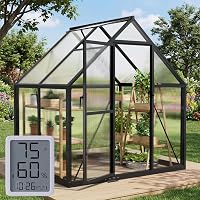
Can You Use a Pop-Up Greenhouse in Winter?
A pop up greenhouse for winter works best for cold-tolerant plants, season extension, and temporary shelter in mild weather. Freezing nights may require added heat or moving plants, while snow and strong wind call for a sheltered backup plan.
On this page (8 sections)
- Can you use a pop-up greenhouse for winter growing?
- How do you choose a pop-up greenhouse for winter?
- Which pop-up greenhouse suits your plants and space?
- How do you prepare the site and set up the shelter?
- Do you need a heater in a pop-up greenhouse?
- How do you manage ventilation, watering, and cover care?
- What winter mistakes should you avoid?
- Is a pop-up greenhouse right for your winter?
A pop up greenhouse for winter can extend your growing season and shelter cold-tolerant plants, but it won't reliably keep them above freezing. Buy one for conditions you can monitor, with a plan to move plants before severe weather.
The right choice depends on your plants' minimum temperature needs, your site's exposure, and how much space you need for care. A larger shelter helps with access, but it also gives you more air to heat.
Can you use a pop-up greenhouse for winter growing?
Yes, for season extension and plants suited to cool conditions. Sunshine can warm the enclosure during the day, but that warmth fades after sunset.
Cold-tolerant leafy crops and dormant plants have different needs from tender tropical plants. Check the cold tolerance of the exact plants you want to shelter, including whether their roots need extra protection in pots.
Winter light also limits growth. Keeping a plant alive through cold weather is a different goal from producing steady harvests, so don't judge success by summer growth rates.
For more on the difference between daytime warmth and overnight protection, read whether greenhouses work in winter.
How do you choose a pop-up greenhouse for winter?
Choose by overnight temperature needs, exposure, and usable space. Cover material and quick setup matter, but neither replaces a suitable location or a plan for cold snaps.
Start with the lowest temperature your plants can tolerate. Compare that with readings from your intended site, then decide whether you need simple shelter, supplemental heat, or a more permanent structure.
Next, measure the space with pots and access paths included. Leave room to water plants, close the door, and reach the back without leaning against the cover.
A larger enclosure can become wasted space if you only have a few pots. A small shelter can become awkward if every watering requires moving plants out of the way.
Both PE and PVC are flexible cover materials. Don't choose between them on the assumption that either will keep plants frost-free; fit, anchoring, ventilation, and plant care remain central to winter use.
Use our guide to choosing a greenhouse to compare layout and frame choices, or compare greenhouses for winter if you need longer-term cold-weather protection.
Which pop-up greenhouse suits your plants and space?
Choose Eagle Peak for a modest walk-in setup, Crown Shades for a larger plant collection, or Lyellfe for a few small plants. These are different space choices, rather than a ladder of proven winter strength.
Eagle Peak: a pop-up greenhouse for mild winter care
Choose Eagle Peak if you want walk-in access without filling a large part of the yard. Its pre-assembled steel frame opens without tools, and EAGLE PEAK supports one-person setup.
The footprint suits gardeners who want to group pots and tend them from inside. Plan a clear route through the center before adding shelves, so the enclosure remains useful when plants spread.
Included stakes and guy ropes support anchoring, and the ground skirt can be weighted down. EAGLE PEAK advises extra anchoring for strong winds and clearing snow, so choose it for managed seasonal use.
Skip it if you need dependable shelter through heavy snow without frequent attention. A quick-opening frame saves assembly work, but it doesn't remove storm preparation.
Crown Shades: room for a larger collection
Choose Crown Shades if plant capacity and working room are your main needs. Its one-push center lock allows tool-free setup, while a support pole under the hub reinforces the frame.
The steel frame carries a PE cover, and 3 adjustable heights let you adapt the enclosure to different plants. Check how the central support affects your intended path and shelf layout.
This is the better fit of these options when cramped access would make daily watering and inspection difficult. Its larger footprint also needs more sheltered ground and more space around the outside for maintenance.
Skip it for a small group of pots or a site where heating space is the main concern. CROWN SHADES describes year-round use, but no numerical wind or snow limits are available here to guide storm planning.
Lyellfe: compact shelter for short plants
Choose Lyellfe for seedlings or a few low-growing plants that you can reach from outside. It measures 28 x 28 x 34 in, so measure the full plant and pot together before choosing it.
The shelter opens without assembly and folds for storage. Included nails and metal side bars help secure it, making it a practical choice for temporary protection where a walk-in frame would be excessive.
Leave space between leaves and the cover. Crowding plants against the sides makes inspection harder and can keep foliage wet where condensation collects.
Skip it for tall plants, frequent indoor access, or a heater that needs clearances the enclosure cannot offer. Its small size makes relocation easier, but plants still need moving before dangerous weather arrives.
How do you prepare the site and set up the shelter?
Set up on level, well-drained ground with winter sun and some protection from prevailing wind. Avoid roof edges where snow could slide onto the greenhouse, along with overhanging branches.
Check that water won't pool beneath pots or around the entrance. A sheltered corner is useful only if it still receives enough light and leaves room to inspect the cover.
Assemble the frame and fit the cover in calm weather, following the instructions. Secure every required anchor point before loading plants inside.
On paving, use an anchoring method suited to both the surface and the greenhouse. Don't assume heavy pots inside will secure the frame unless they are part of an approved anchoring arrangement.
Open and close the door before arranging plants. Keep pots, shelving, and tools clear of zippers and cover edges, then check anchors again after the first wet or windy spell.
How should you handle snow and wind?
Prepare before the storm, while the structure is still safe to approach. Set a forecast-based trigger for moving plants rather than waiting until the frame starts shifting or sagging.
Follow the greenhouse's instructions for gentle snow removal from outside. Don't climb on the frame, strike frozen cover material, or enter beneath a loaded roof.
Wind can loosen stakes, especially as wet soil softens. Inspect anchors when conditions are safe, and dismantle the shelter beforehand if expected weather could exceed its limits.
Do you need a heater in a pop-up greenhouse?
You need heat when the enclosure falls below your plants' minimum temperature. Put a minimum-recording thermometer at plant height, away from direct sunlight and any heater, to see what happens overnight.
Don't size a heater from floor area alone. Enclosure height, cover heat loss, air leaks, and the difference between outdoor temperature and your target all affect heating needs.
Use an electric heater only when its instructions allow the damp conditions and required clearances. Keep the cover, foliage, pots, and watering equipment clear of it, and follow its electrical requirements.
If suitable heating isn't practical, overwinter fewer plants or move tender ones elsewhere. Our guides explain how to heat a greenhouse in winter and how to keep a greenhouse warm.
Can you use a pop-up greenhouse without a heater?
Yes, when your plants tolerate the overnight lows inside. Use the shelter to reduce exposure and extend the season, while keeping a backup location ready for colder nights.
Group plants by temperature needs so you can move the tender ones first. Check soil moisture too, since a sheltered pot may miss rainfall even when the garden outside is wet.
How do you manage ventilation, watering, and cover care?
Ventilate according to temperature and moisture, even during winter. Direct sun can warm a closed shelter quickly while outdoor air still feels cold.
Open doors or windows as needed, then close them before evening temperatures fall. Our greenhouse ventilation guide explains how openings and airflow work together.
Check pot moisture before watering rather than following a summer schedule. Cooler conditions often slow water use, while sunny spells can still dry small pots quickly.
Water early enough for wet leaves and surfaces to dry. Space plants so air can move between them, and remove fallen leaves before they collect in damp corners.
Inspect seams, zippers, and contact points for wear. Clean the cover according to its care instructions, and let it dry fully before folding it for storage.
What winter mistakes should you avoid?
The biggest mistake is confusing a warm afternoon with reliable overnight protection. Use the recorded low, rather than how the greenhouse feels while you're working inside.
Avoid these other common problems:
- Buying too large: extra floor space increases the area to maintain and the volume you may need to heat.
- Packing plants tightly: crowded foliage blocks access and slows drying.
- Skipping sunny-day checks: a closed winter shelter can still overheat.
- Relying on improvised roof supports: extra poles can create pressure points unless the brand approves the arrangement.
- Waiting for storm damage: move plants and act while conditions still allow safe work.
Is a pop-up greenhouse right for your winter?
Choose a pop-up greenhouse for winter when you need manageable seasonal shelter and can check it often. Pick Eagle Peak for modest walk-in access, Crown Shades for more growing room, or Lyellfe for a compact group of short plants.
If you need steady warmth, first decide how you'll maintain the required temperature. If heavy snow, exposed wind, or long absences define your winter, choose a structure with documented limits suited to those conditions.
Before committing to a permanent enclosure, consider whether a polycarbonate greenhouse fits your needs. Buy for the coldest conditions you intend to manage, with a clear point at which plants move to backup shelter.
Frequently asked questions
Can a pop-up greenhouse stay outside all winter?
A pop-up greenhouse can stay outside through mild winter weather if its instructions allow it and you can maintain it. Anchor it as directed, inspect it after changing weather, and move plants before dismantling it ahead of storms that could exceed its limits.
All-season wording isn't a snow-load guarantee.
Will a pop-up greenhouse keep plants from freezing?
A pop-up greenhouse won't reliably keep plants above freezing without added heat. It captures daytime warmth, but overnight temperatures can fall close to those outdoors.
Measure the minimum temperature at plant height and compare it with each plant's cold tolerance before deciding whether the shelter is enough.
Should you heat a pop-up greenhouse in winter?
Add heat only when your plants need it and you can meet the heater's operating instructions. The equipment must suit damp greenhouse conditions, with enough clearance from the cover, pots, and water.
If you can't maintain those clearances or a safe electrical supply, move sensitive plants to warmer shelter.
How do you protect a pop-up greenhouse from snow?
Protect it by planning ahead of snowfall and following its snow-removal instructions. Clear accumulation gently from outside without puncturing the cover or pushing on the frame.
If heavy snow is forecast, move plants and dismantle the shelter beforehand when appropriate; never enter it while the roof is sagging.